自然保护与休闲部
保护·守护·共享
自然保护与休闲部


 目录
目录酸性橡树-山核桃林
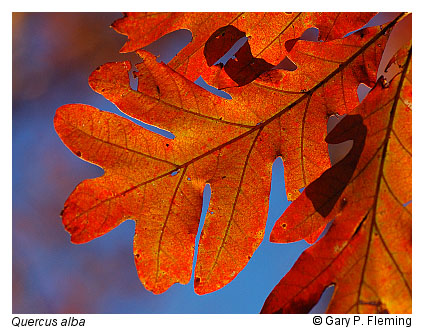
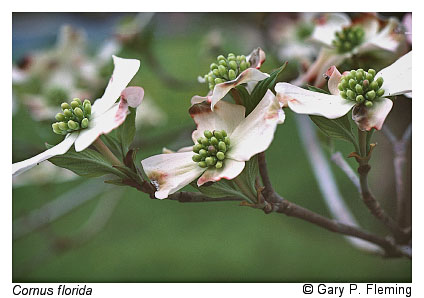
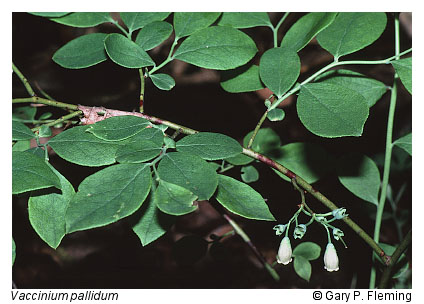
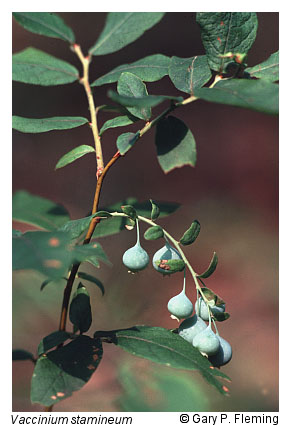
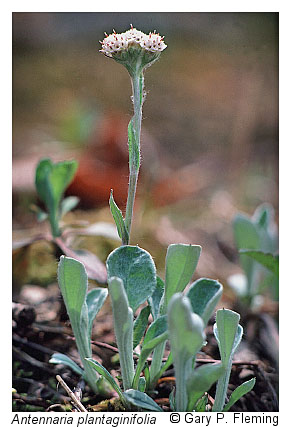
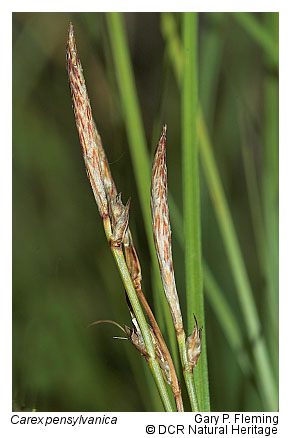
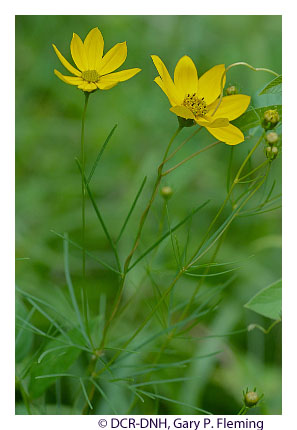
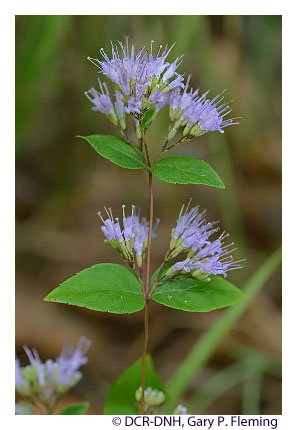
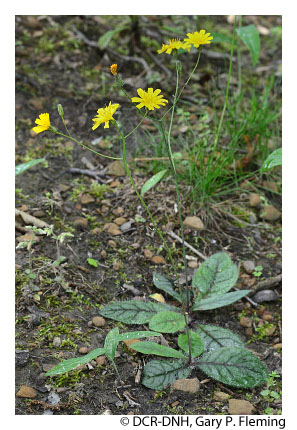
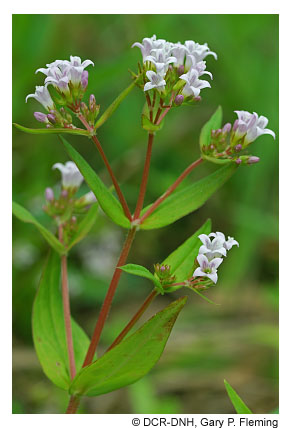
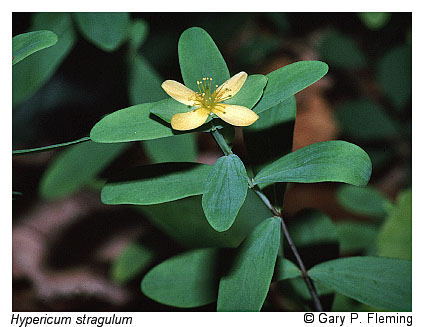
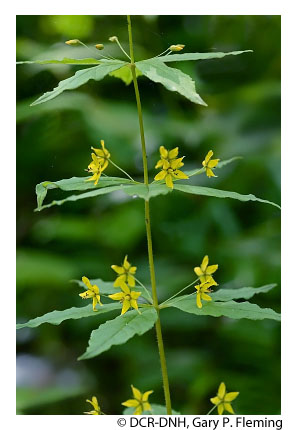
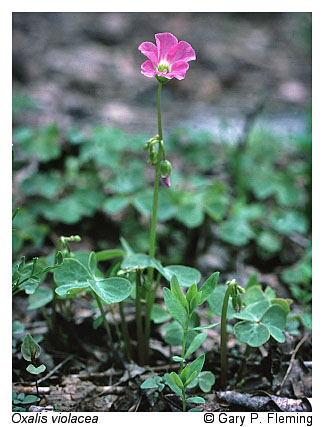
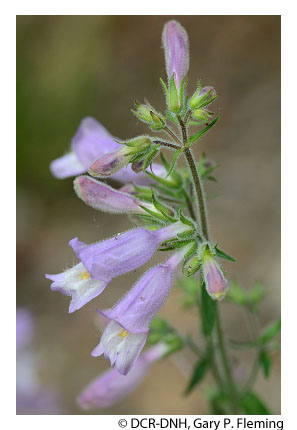
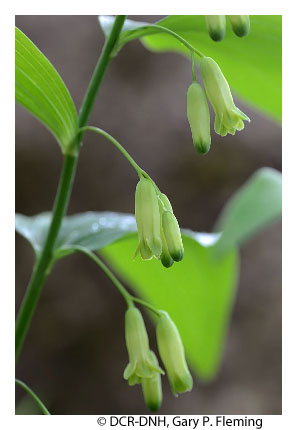
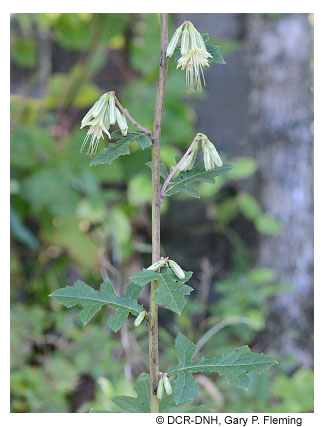
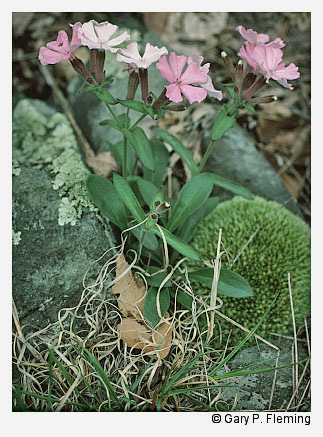
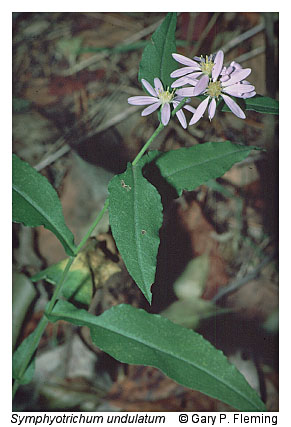
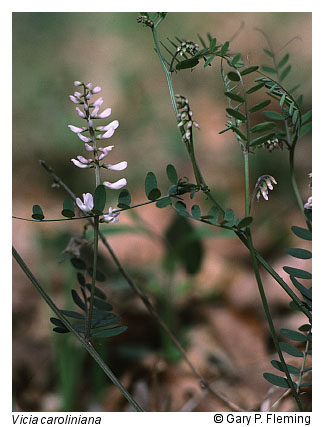
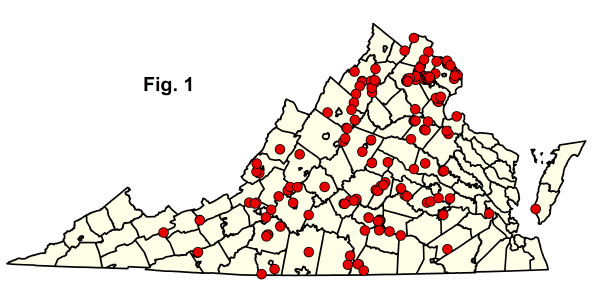
Forests in this group are similar to those of the Basic Oak-Hickory Forests, but occupy submesic to subxeric upland sites with soils weathered from subacidic parent material such as siltstone, metasiltstone, shale, certain granites, and various metamorphic rocks. These forests are widely distributed throughout the Piedmont, mountain valleys, and lower mountain slopes of both the Blue Ridge and Ridge and Valley, up to about 600 m (2,000 ft) elevation. They were probably once also frequent in better soils of the Coastal Plain, but now only widely scattered remnants remain there. Hickories (Carya spp.) are less abundant than in the Basic Oak-Hickory Forests group but are nevertheless common, often primarily as understory trees. Dominant oaks include white oak (Quercus alba), black oak (Quercus velutina), scarlet oak (Quercus coccinea), northern red oak (Quercus rubra), southern red oak (Quercus falcata), and chestnut oak (Quercus montana). Flowering dogwood (Cornus florida) is a characteristic, often abundant understory tree, although its numbers have been greatly reduced in recent decades by the fungal pathogen dogwood anthracnose (Discula destructiva). Deciduous ericads, especially lowbush blueberry (Vaccinium pallidum) and deerberry (Vaccinium stamineum), are usually present but patchy in the shrub layer, along with maple-leaved viburnum (Viburnum acerifolium). Herbaceous diversity is somewhat less than in Basic Oak-Hickory Forests but considerably greater than in Oak/Heath Forests. Typical herbs of these communities include plaintain-leaved pussytoes (Antennaria plantaginifolia), Pennsylvania sedge (Carex pensylvanica), whorled coreopsis (Coreopsis verticillata), poverty oatgrass (Danthonia spicata), common dittany (Cunila origanoides), rattlesnake weed (Hieracium venosum), large summer bluets (Houstonia purpurea), low St. Andrew's cross (Hypericum stragulum), whorled loosestrife (Lysimachia quadrifolia), violet woodsorrel (Oxalis violacea), gray beard-tongue (Penstemon canescens), solomon's-seal (Polygonatum biflorum var. biflorum), lion's foot (Nabalus serpentarius), wild pink (Silene caroliniana var. pensylvanica), silverrod (Solidago bicolor), wavy-leaved aster (Symphyotrichum undulatum), and wood vetch (Vicia caroliniana).
酸性橡树-山核桃林在生态上处于物种丰富的基本橡树-山核桃林和植物种类匮乏的橡树/石楠林之间的中间状态。与基本橡树-山核桃森林相比,它们占据的土壤不太肥沃,物种丰富度较低,杜鹃花科灌木较多。它们与山地橡树-山核桃森林的区别在于,它们局限于低海拔或亚山地栖息地,并且相应的组成成分主要由高海拔地区不存在的物种组成。许多当代酸性橡树-山核桃林正遭受防火的影响,包括橡树补充不足以及林下植被被不耐火的中生树种入侵,如红枫 ( Acer rubrum )、美国山毛榉 ( Fagus grandifolia ) 和黑胶树 ( Nyssa sylvatica )。
参考文献:Fleming ( 2002 b)、Fleming ( 2007 )、Fleming 和 Coulling ( 2001 )、Fleming 和 Moorhead ( 2000 )、Fleming 和 Patterson ( 2004 )、Gemborys ( 1974 )、Olson 和 Hupp ( 1986 )。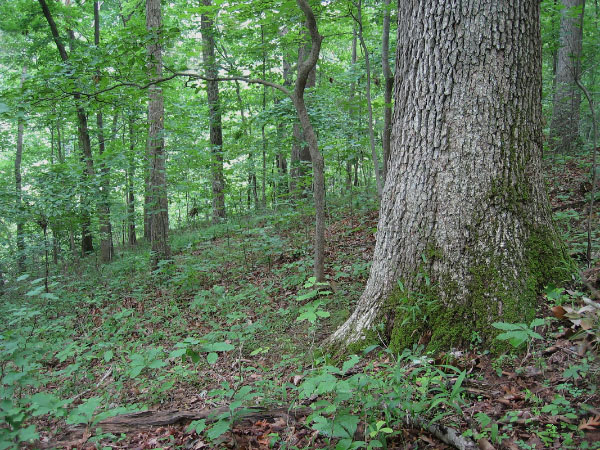 © DCR-DNH,加里·P·弗莱明。
 下载下面列出的每个社区类型的组成汇总统计电子表格。