自然保护与休闲部
保护·守护·共享
自然保护与休闲部


 目录
目录山地混合橡树和橡树-山核桃林
该组包含相对多样化的混合橡树和橡树山核桃森林,这些森林位于半湿润至半干旱的山坡和山顶,海拔大多在约600米( 2 , 000英尺)至1 , 200米( 4 , 000英尺)之间。
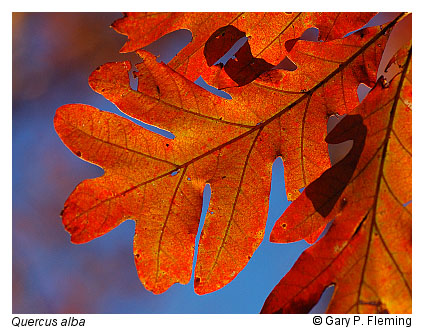
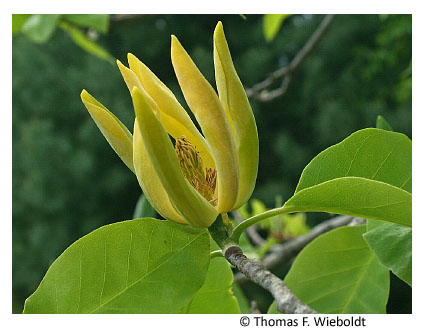
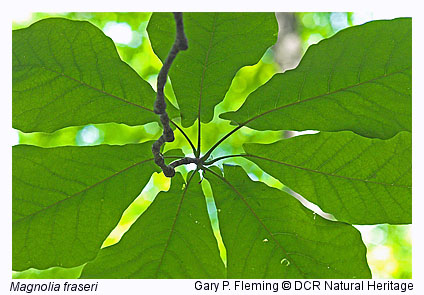
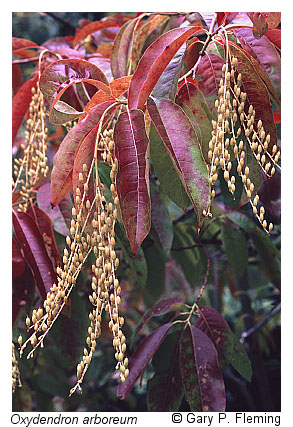
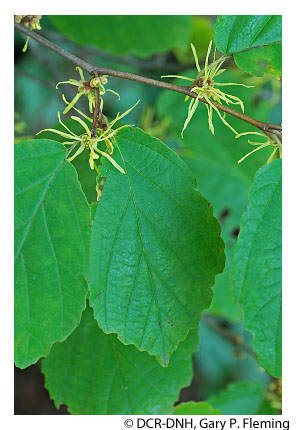
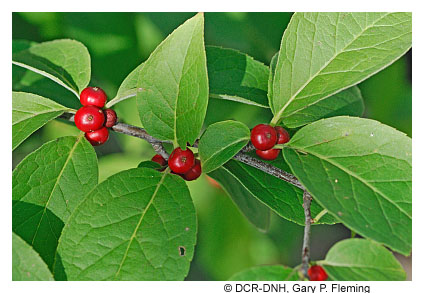
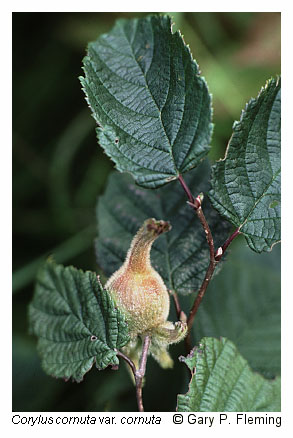
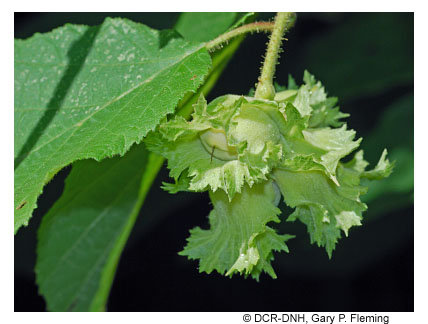
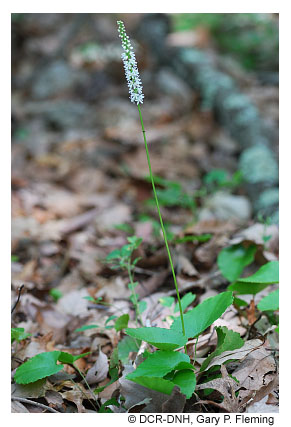
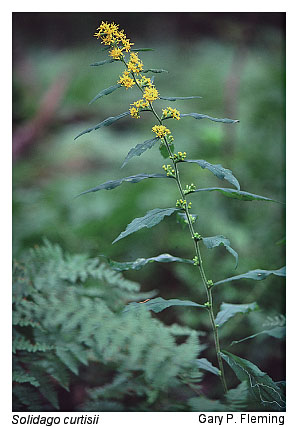
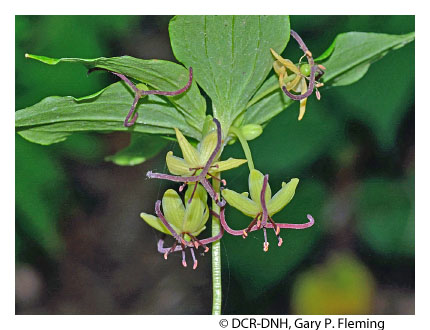
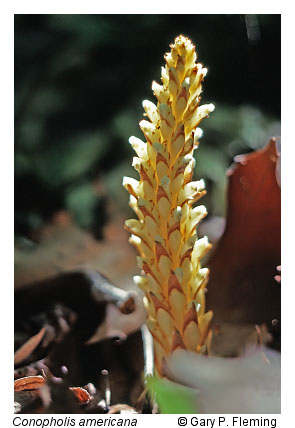
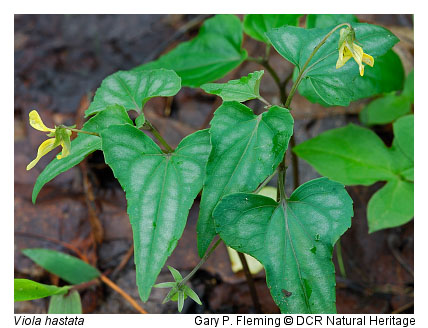
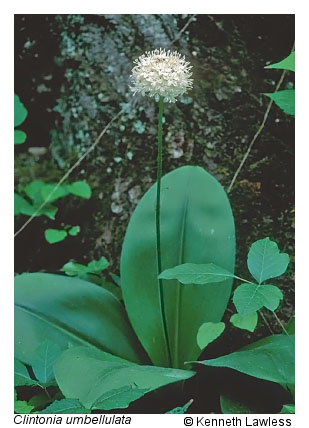
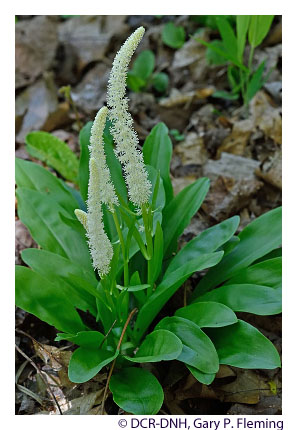
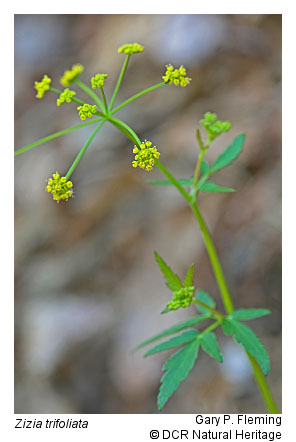
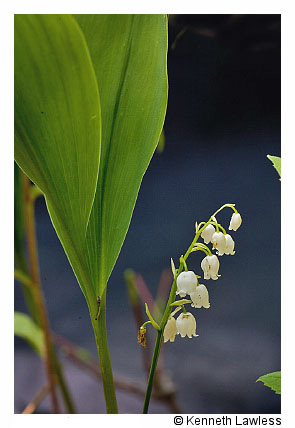
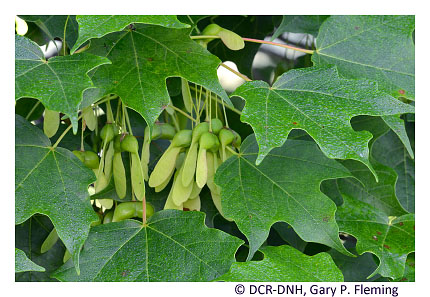
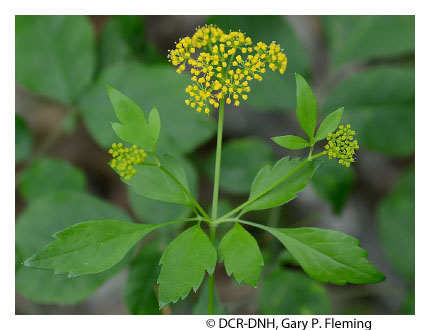
Montane mixed oak forests cover extensive areas in western Virginia and generally occupy intermediate positions along major environmental gradients such as soil moisture, soil fertility, and elevation. Soils occupied by montane mixed oak forests are typically less fertile than those of the true montane oak-hickory forests. Overstory composition contains mixtures of chestnut oak (Quercus montana), northern red oak (Quercus rubra), and white oak (Quercus alba). Overstory associates vary with geography and site conditions, but often include sweet birch (Betula lenta var. lenta), magnolias (Magnolia acuminata and Magnolia fraseri), sourwood (Oxydendrum arboreum), hickories (Carya spp.), red maple (Acer rubrum), tulip-tree (Liriodendron tulipifera), and white pine (Pinus strobus). The understories of mixed oak communities usually contain a substantial component of heaths, but also contain many non-ericaceous species such as witch hazel (Hamamelis virginiana var. virginiana), striped maple (Acer pensylvanicum), maple-leaved viburnum (Viburnum acerifolium), mountain holly (Ilex montana), buffalo-nut (Pyrularia pubera), and hazelnuts (Corylus cornuta var. cornuta and Corylus americana). The herbaceous component is relatively diverse, but often patchy and composed of both acidophiles and species characteristic of moderately fertile soils, including New York fern (Parathelypteris noveboracensis), galax (Galax urceolata), Curtis' goldenrod (Solidago curtisii), white wood aster (Eurybia divaricata), indian cucumber-root (Medeola virginiana), squawroot (Conopholis americana), halberd-leaved yellow violet (Viola hastata), speckled wood lily (Clintonia umbellulata), devil's-bit (Chamaelirium luteum), mountain golden-alexanders (Zizia trifoliata), and American lily-of-the-valley (Convallaria pseudomajalis).
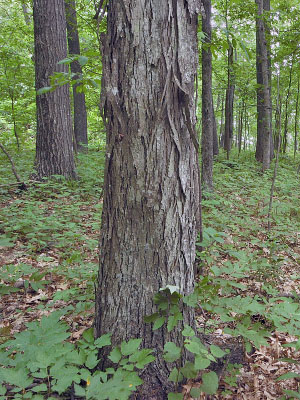
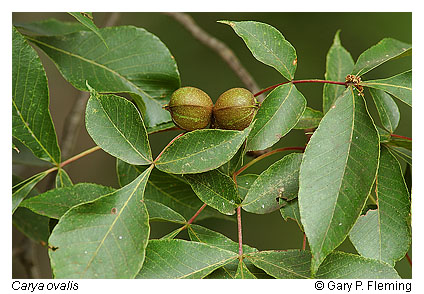
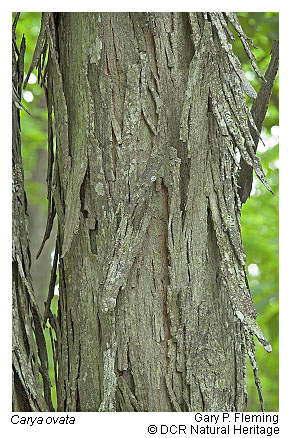
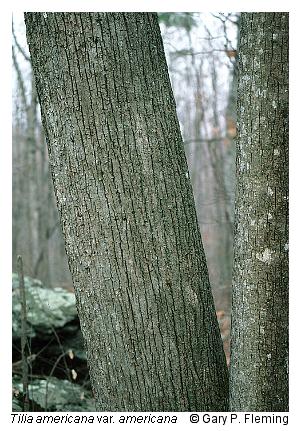
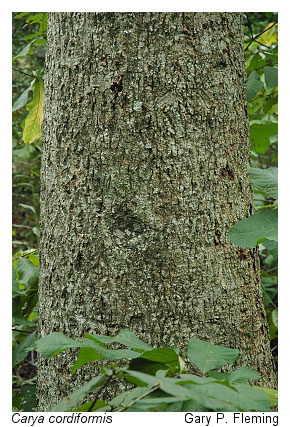
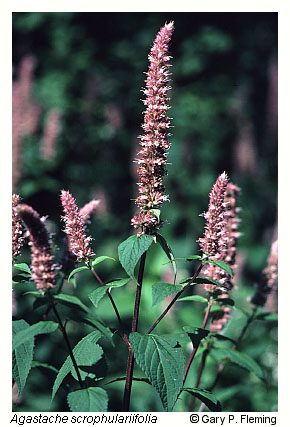
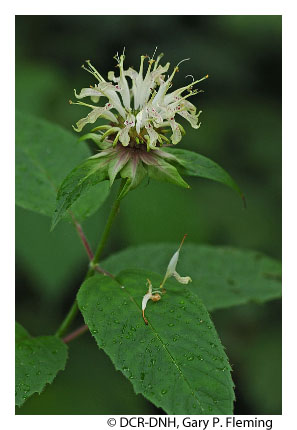
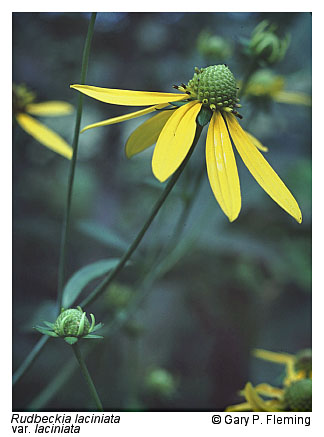
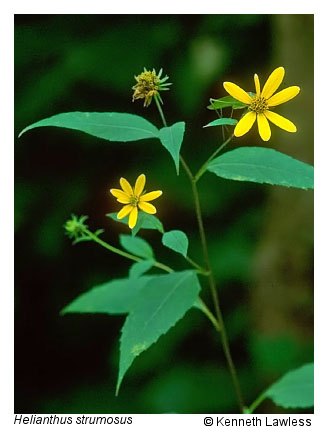
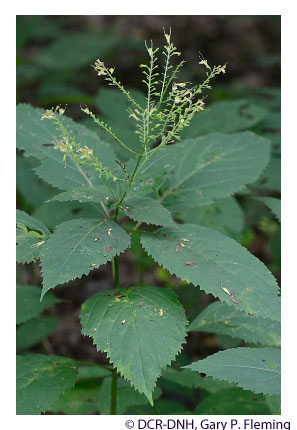
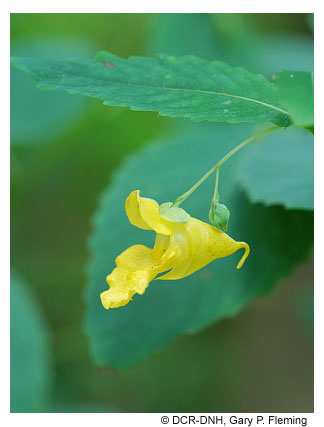
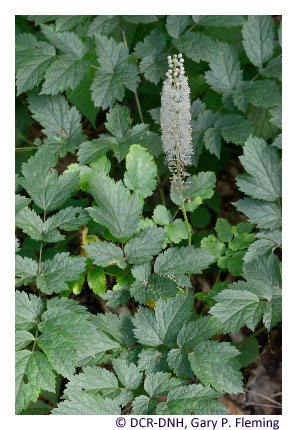
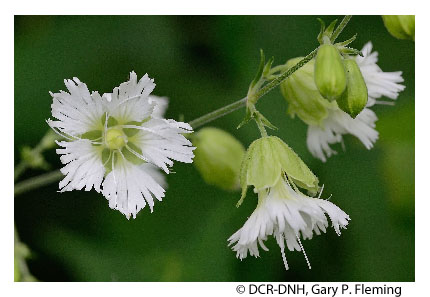
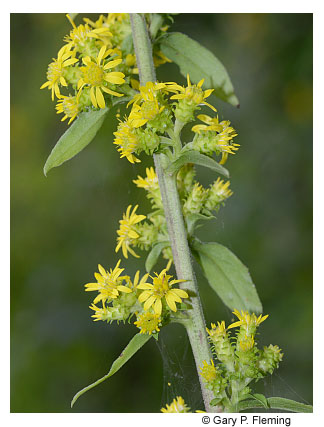
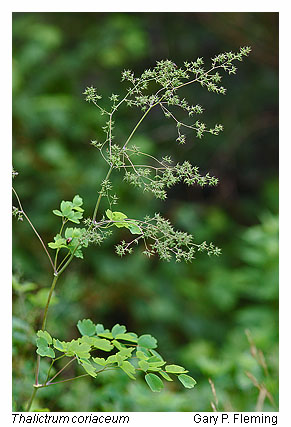
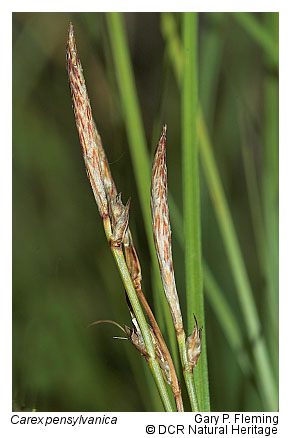
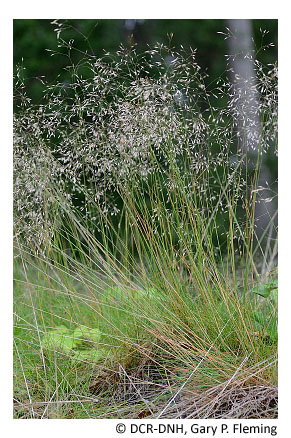
Montane oak-hickory forests reach maximal importance on base-rich igneous, metamorphic, and subcalcareous sedimentary rocks. Two types occur throughout western Virginia: a submesic to mesic, rich type with a notably lush herb layer, and a drier, more acidic type with a diverse, often graminoid-dominated herb layer. Northern red oak, white oak, red hickory (Carya ovalis), and shagbark hickory (Carya ovata) are typical co-dominant trees, although in most stands oaks attain greater importance in the overstory than do hickories (Carya spp.), which often reach maximal density and cover in the understory. The chestnut oak is important only in the drier type, while mesophytic trees such as basswood (Tilia americana var. americana and var. heterophylla), bitternut hickory (Carya cordiformis), and sugar maple (Acer saccharum) are frequent associates in the rich type. The shrub layer of these communities is often sparse, and herbaceous composition varies with geography and site conditions. A widespread compositional variant on moist sites features extensive, nearly monospecific colonies of interrupted fern (Osmunda claytoniana). Fertile sites often support a diverse herbaceous flora, including such nutrient-demanding forbs as purple giant hyssop (Agastache scrophulariifolia), white bergamot (Monarda clinopodia), cutleaf coneflower (Rudbeckia laciniata var. laciniata), pale-leaved sunflower (Helianthus strumosus), richweed (Collinsonia canadensis), yellow jewelweed (Impatiens pallida), common black cohosh (Actaea racemosa), starry campion (Silene stellata), stout goldenrod (Solidago squarrosa), hairy-jointed meadow parsnip (Thaspium barbinode), and Appalachian meadow-rue (Thalictrum coriaceum). The luxuriance of such herb layers rivals that of the Rich Cove and Slope Forests. The drier type of montane oak-hickory forest features patch-dominance by Pennsylvania sedge (Carex pensylvanica), Porter's reedgrass (Calamagrostis porteri), wavy hairgrass (Avenella flexuosa), and xerophytic forbs.
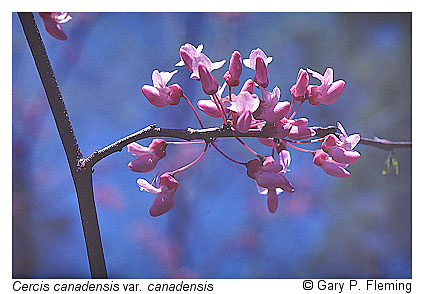
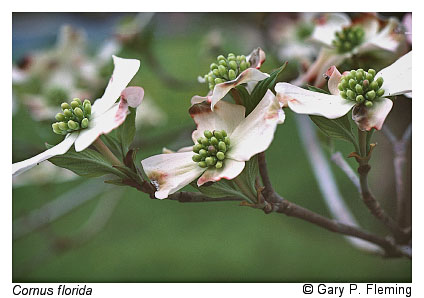
该群落向海拔较高、环境较差的北方红橡树林以及海拔较低边缘的几片其他橡树和橡树山核桃树林过渡。它们与基本型橡树-山核桃森林和酸性橡树-山核桃森林的区别在于,它们局限于一般 > 600米( 2 , 000英尺)的较高海拔,并且植物区系组成缺乏许多著名的低海拔物种(例如,东部紫荆 [ Cercis canadensis var. canadensis ] 和山茱萸 [ Cornus florida ])。它们与橡树/石楠森林的区别在于,它们的林下植物和草本植物的多样性要丰富得多。许多山地混合橡树和橡树-山核桃林以前都是以美洲栗树 ( Castanea dentata ) 为主导或共同主导的植被,直到20世纪初,这种树的成熟个体被引入的栗疫病 ( Cryphonectria parasitica ) 摧毁。人们认为,山核桃树 ( Carya spp. ) 因美洲栗树从林冠层中移除而受益匪浅,而山核桃树在当代橡树-山核桃林中的存续和持续生长可能反映了近几十年来火灾的预防作用。
参考文献:Adams 和 Stephenson ( 1983 )、Coulling 和 Rawinski ( 1999 )、Fleming ( 2007 )、Fleming 和 Coulling ( 2001 )、Fleming 和 Moorhead ( 2000 )、Johnson 和 Ware ( 1982 )、McCormick 和 Platt ( 1980 )、Rawinski等人。( 1994 ),Rawinski等人。( 1996 )、斯蒂芬森( 1982 a)、斯蒂芬森( 1982 b)、斯蒂芬森和亚当斯( 1991 )。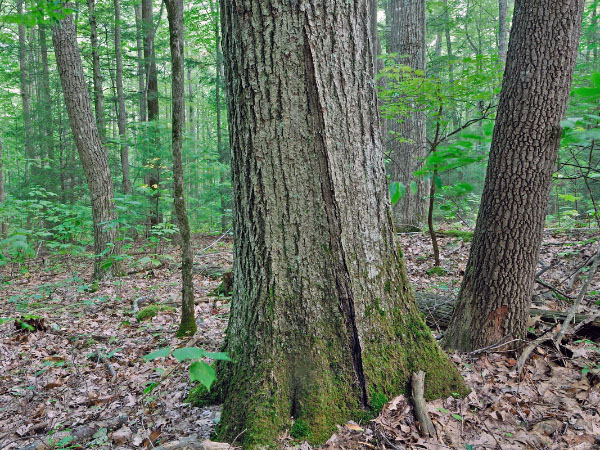 © DCR-DNH,加里·P·弗莱明。
该组由来自弗吉尼亚州西部大多数县和一些偏远的皮埃蒙特地区的244地块样本代表(图1 )。几项大型区域地块数据分析很好地支持了六种社区类型的分类。然而,该组织的南阿巴拉契亚代表需要额外的库存来确定其在州内的完整分布。单击下面任何突出显示的 CEGL 代码即可查看NatureServe Explorer 提供的全球 USNVC 描述。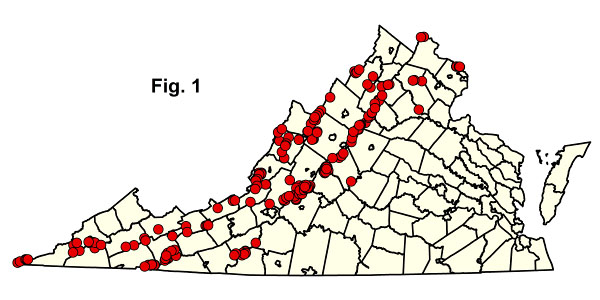
 下载下面列出的每个社区类型的组成汇总统计电子表格。