自然保护与休闲部
保护·守护·共享
自然保护与休闲部


 目录
目录橡树/石楠林
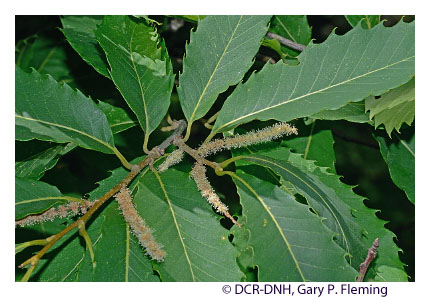
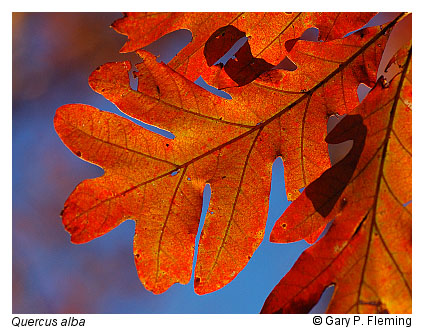
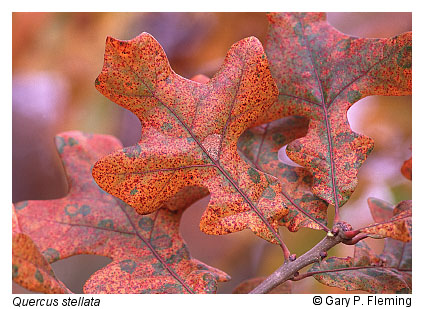
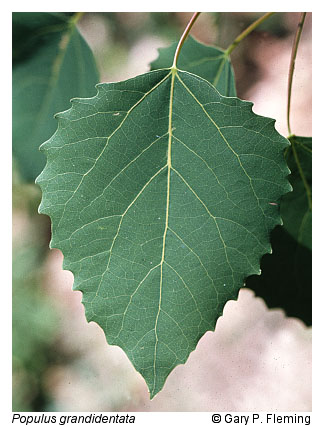
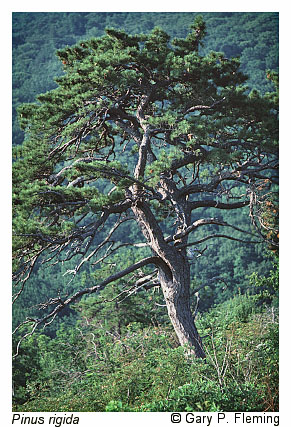
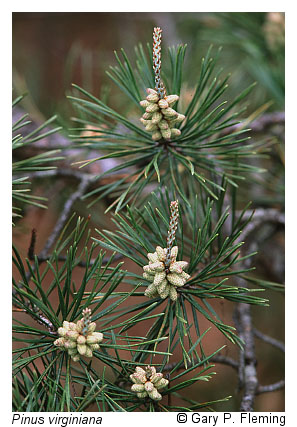
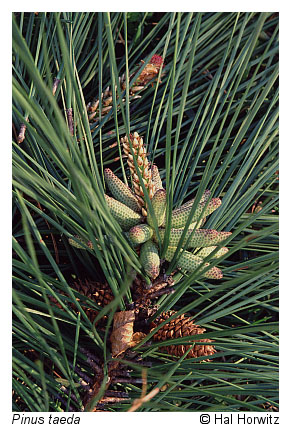
This group of oak-dominated forests is prevalent on xeric, infertile upland sites in every physiographic province of Virginia, and is wide-ranging in the Appalachians and adjacent provinces outside of the Commonwealth. In some cases, particularly in the mountains and foothills, these communities have replaced former mixed oak - American chestnut (Castanea dentata) forests following the decimation of chestnut overstory trees by an introduced fungal blight (Cryphonectria parasitica) early in the twentieth century. Habitats are variable, ranging from sterile, low-elevation "flatwoods" to steep, rocky mountainsides. All have soils with a distinctly oligotrophic nutrient regime, i.e., strongly acidic, with low base cation levels and relatively high levels of iron. Accumulations of thick duff and high biomass of inflammable shrubs in these forests make them susceptible to periodic fires, which in turn favors recruitment of oaks. Regionally varying mixtures of white oak (Quercus alba), chestnut oak (Quercus montana), scarlet oak (Quercus coccinea), black oak (Quercus velutina), northern red oak (Quercus rubra), southern red oak (Quercus falcata), and post oak (Quercus stellata) compose the overstories of these forests. Bigtooth aspen (Populus grandidentata) and pines - including pitch pine (Pinus rigida) in the mountains, shortleaf and Virginia pines (Pinus echinata and Pinus virginiana) in the Piedmont, and loblolly pine (Pinus taeda) in the Coastal Plain - are common associates that usually indicate past disturbance. Hickories (Carya spp.) are generally unimportant and, when present, mostly restricted to the understory.
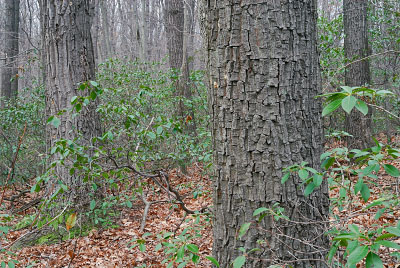
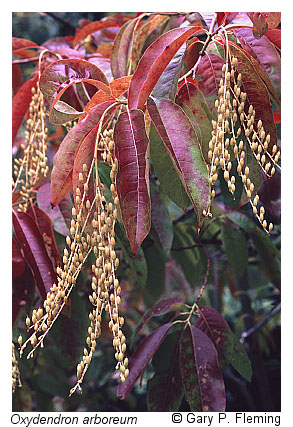
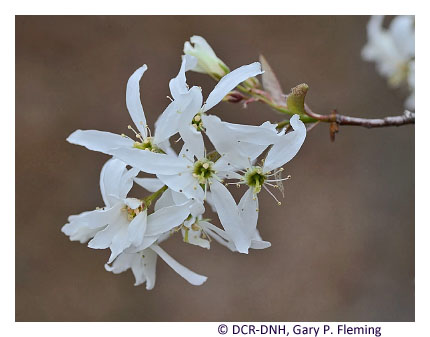
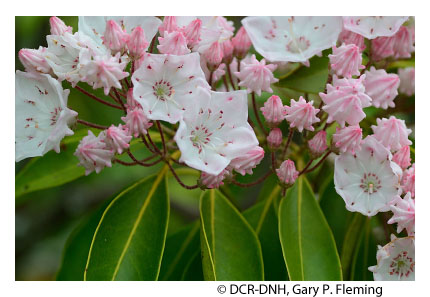
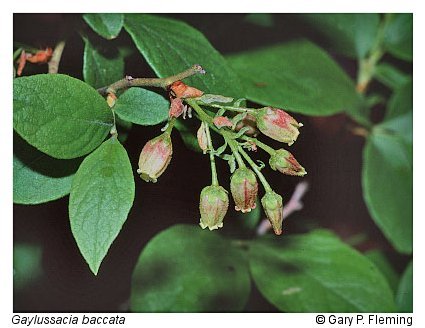
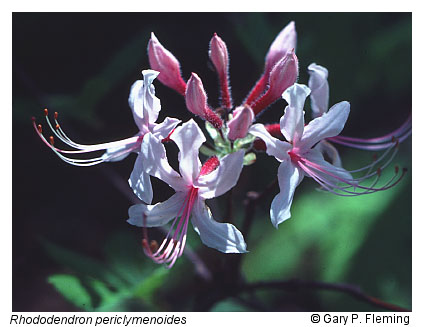
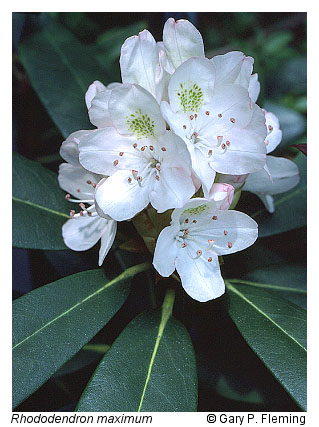
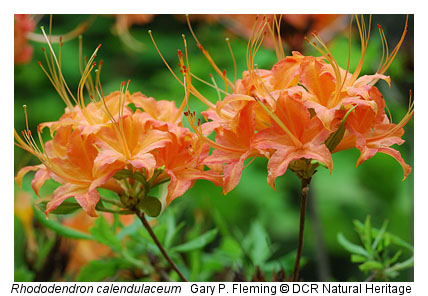
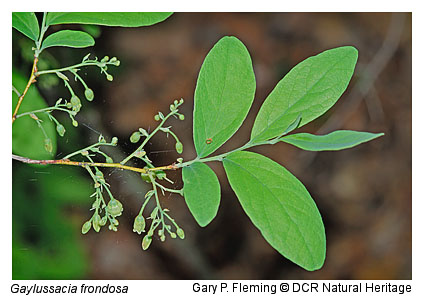
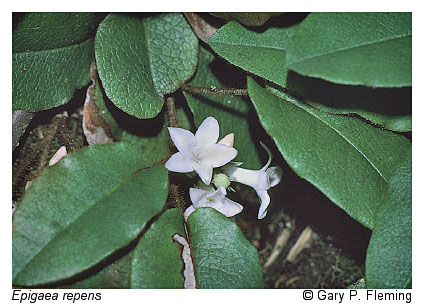
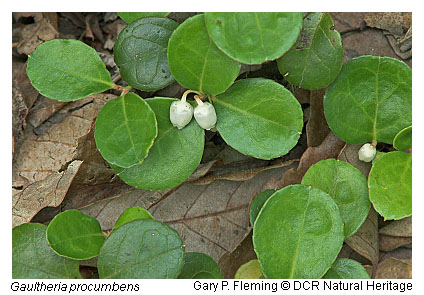
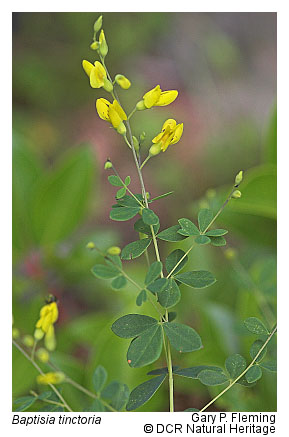
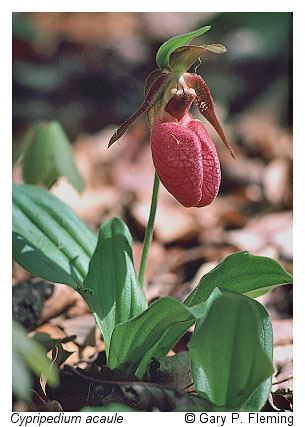
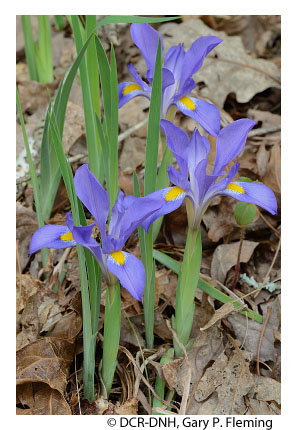
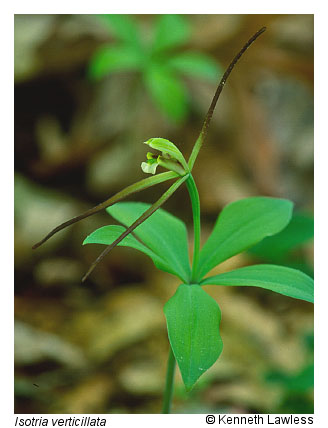
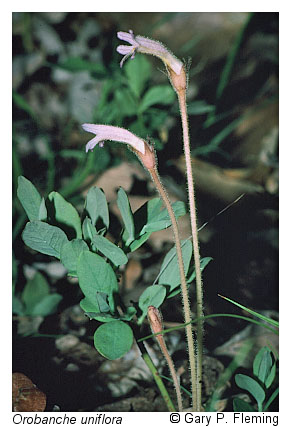
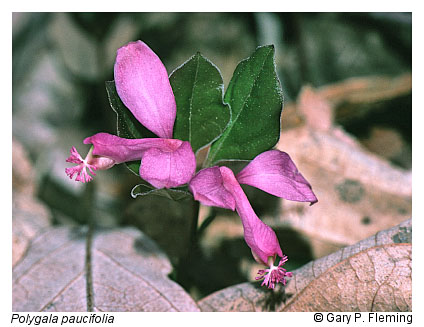
Forests overwhelmingly dominated by chestnut oak (Quercus montana, = Quercus prinus) are widespread on sandstone or quartzite ridges in the mountains, but occur locally on monadnocks, foothills, and rocky or gravelly bluffs throughout the Piedmont and inner Coastal Plain. On gentler, low-elevation terrain of eastern Virginia and the mountain valleys, white oak is more prominent in mixtures with several other oaks. Blackgum (Nyssa sylvatica) and sourwood (Oxydendrum arboreum) are frequent overstory associates and abundant understory trees, along with sassafras (Sassafras albidum) and downy serviceberry (Amelanchier arborea). Decades of fire suppression or exclusion has led to a general abundance of the fire-intolerant red maple (Acer rubrum) in oak / heath forest understories. Ericaceous (heath-family) plants, including mountain laurel (Kalmia latifolia), black huckleberry (Gaylussacia baccata), wild azalea (Rhododendron periclymenoides), and blueberries (Vaccinium spp.), form dense colonies in the shrub and herb layers. Evergreen rhododendrons (Rhododendron maximum and Rhododendron catawbiense) and flame azalea (Rhododendron calendulaceum) are locally prevalent members of the ericaceous shrub complex in the mountains, while dangleberry (Gaylussacia frondosa) is a prominent ericad in the Coastal Plain. The ericaceous sub-shrubs trailing arbutus (Epigaea repens) and wintergreen (Gaultheria procumbens) may also be abundant, especially in the mountains. The density of ericaceous species may be closely tied to land-use and disturbance history. True herbaceous species are sparse, but may include scattered individuals or colonies of xerophytes such as galax (Galax urceolata), yellow wild indigo (Baptisia tinctoria), pink lady's-slipper (Cypripedium acaule), dwarf iris (Iris verna), large whorled pogonia (Isotria verticillata), cancer-root (Orobanche uniflora), gaywings (Polygaloides paucifolia), eastern bracken fern (Pteridium aquilinum ssp. latiusculum), and Virginia goat's-rue (Tephrosia virginiana).
该组中的群落类型构成了弗吉尼亚州景观中基质或大斑块植被的广泛元素。尽管面积仍然相对广阔,但它们受到多种干扰,包括砍伐、转变为松树种植园、舞毒蛾侵扰、火灾抑制和开发破坏。然而,弗吉尼亚州干燥山脊上的许多以栗橡树为主的林分由于冠层树木生长不良、形态不佳而无法砍伐。
参考文献:Abrams等人。( 1997 )、Adams 和 Stephenson( 1983 )、Allard 和 Leonard( 1943 )、Clark 和 Ware( 1980 )、Cole 和 Ware( 1997 )、Coulling 和 Rawinski( 1999 )、Crouch( 1990 )、Farrell 和 Ware( 1988 )、Fleming( 2002 a)、Fleming( 2002 b)、Fleming( 2007 )、Fleming 和 Coulling( 2001 )、Fleming 和 Moorhead( 1996 )、Fleming 和 Moorhead( 2000 )、Fleming 和 Weber( 2003 )、Gemborys( 1974 )、Harrison等人。( 1989 )、Johnson 和 Ware( 1982 )、Martin等人。( 1982 )、McCoy 和 Fleming( 2000 )、McEvoy等人。( 1980 )、奥尔森和赫普 ( 1986 )、奥维格和艾布拉姆斯 ( 1994 )、Rawinski等人。( 1994 ),Rawinski等人。( 1996 )、Rhoades( 1992 )、Rhoades( 1995 )、Rhoades( 2002 )、Stephenson( 1974 )、Stephenson( 1982 a)、Stephenson 和 Adams( 1991 )、Stephenson 和 Fortney( 1998 )、Vanderhorst( 2000 )、Walton等人( 2001 )、Ware( 1991 )。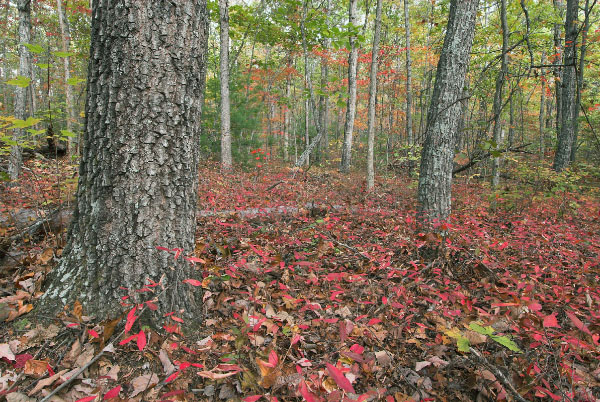 © DCR-DNH,加里·P·弗莱明。
弗吉尼亚州已对超过300块此类植被进行了采样(图1 ),并在多次区域分析中将其分为 9 种群落类型。大多数这些更精细级别的单元都具有明显的地理/海拔梯度和相关的植物区系差异。然而,“中阿巴拉契亚”和“南阿巴拉契亚”单元的假定分离在弗吉尼亚州西部尤其成问题,因为这些生物地理区域的植物群经常不知不觉地融合在一起。单击下面任何突出显示的 CEGL 代码即可查看NatureServe Explorer 提供的全球 USNVC 描述。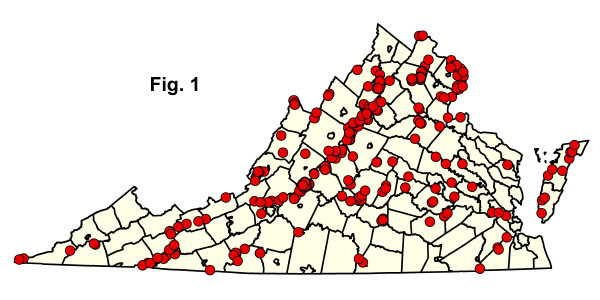
 下载下面列出的每个社区类型的组成汇总统计电子表格。